


Combining Cultural Identity and Tourism in Ireland as a Bridge to Peace: Irish Language, Heritage Tourism, and Paths to Peace
In Ireland, culture has often been politicised. Yet in recent years, youth-led cultural tourism — particularly in Irish-speaking and rural areas — has shown how identity can unite rather than divide. Paths to Peace recognises culture not as nostalgia, but as a peacebuilding asset.
In Ireland, culture and identity have long been intertwined with politics and conflict. Language, land, and heritage have historically been markers of difference, sometimes reinforcing division rather than connection. In a post-conflict context, however, these same cultural elements are increasingly understood as shared assets that can support dialogue, inclusion, and long-term peace.
This shift is particularly visible in Ireland’s Gaeltacht regions, where the Irish language and traditional cultural practices remain embedded in daily life. These regions offer important learning for Paths to Peace (P2P) by demonstrating how cultural tourism, when rooted in community ownership and education, can contribute to social cohesion rather than polarisation.
Why This Case Study Matters as a Gaeltacht Peace Experience: Irish Language, Culture, and Unity
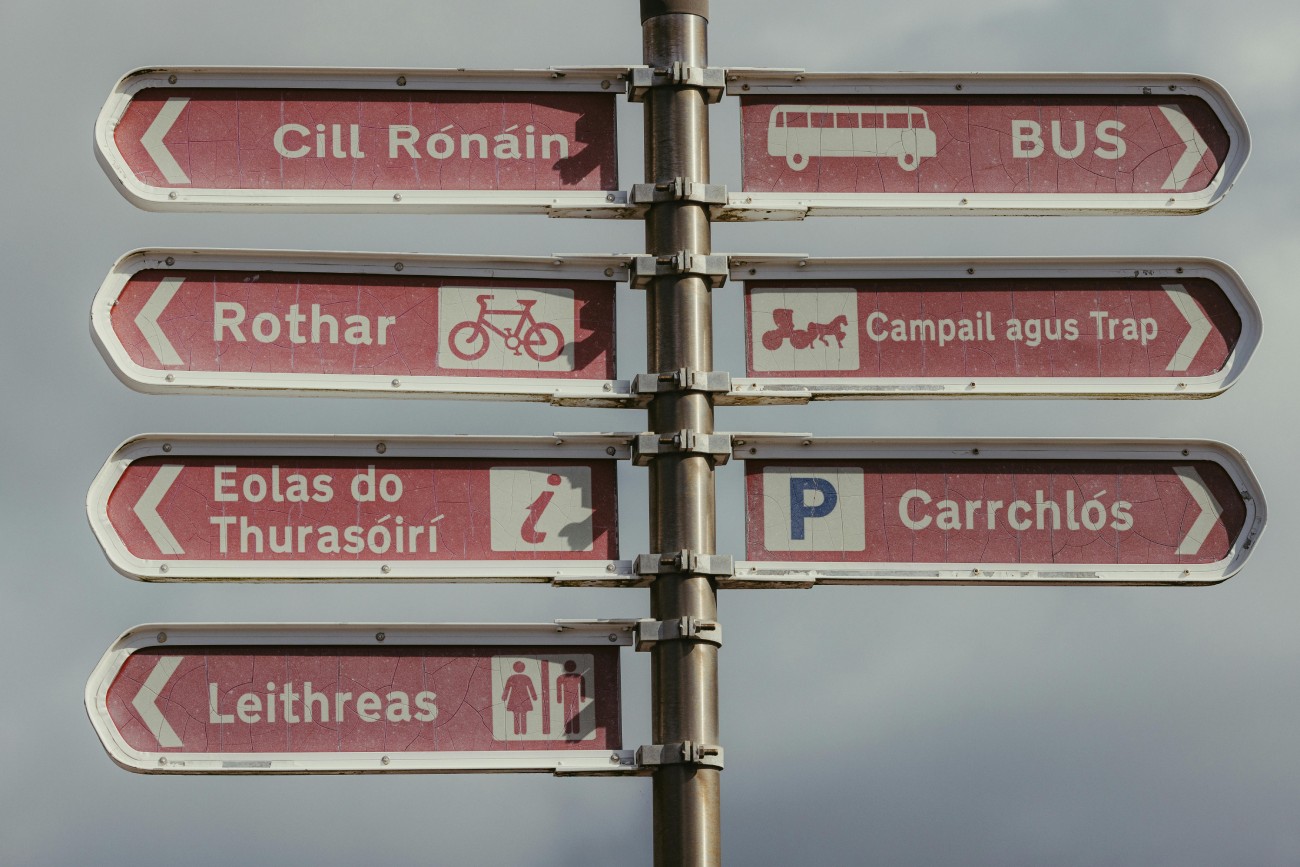
Peace in Ireland is widely described as post-conflict but not post-division. While the Good Friday Agreement marked a historic turning point, cultural identity continues to shape how communities understand history, belonging, and difference. The challenge is not whether culture should be visible in tourism, but how it is presented and interpreted.
Gaeltacht regions provide a useful lens because:
- They centre language and culture as lived, everyday practices, not political symbols
- They rely on community-based tourism, often in rural or peripheral areas
- They link cultural continuity with economic sustainability and youth participation
This makes them particularly relevant to peacebuilding approaches that focus on positive peace — defined not only as the absence of violence, but as the presence of strong social relationships, cultural confidence, and community wellbeing.
Irish Language, Culture, and Community-Based Tourism
The Gaeltacht comprises designated Irish-speaking areas along Ireland’s western seaboard, including parts of Donegal, Mayo, Galway, Kerry, and Cork. These areas have historically faced challenges such as emigration, limited employment opportunities, and uneven infrastructure investment. Cultural tourism has become one way to support local economies while sustaining linguistic and cultural heritage.
Visitors to the Gaeltacht increasingly participate in:
- Irish language classes and immersion experiences
- Traditional music, storytelling, and dance (including sean-nós singing)
- Local heritage walks focused on farming traditions, land use, and community life
These experiences are supported by national and regional bodies such as Údarás na Gaeltachta, Fáilte Ireland, and Foras na Gaeilge, which explicitly frame culture as a driver of sustainable regional development rather than nostalgia.
Crucially, many cultural initiatives in these regions involve young people as learners, facilitators, performers, and organisers, helping them develop leadership, communication, and intercultural skills. This aligns closely with EU youth policy priorities around active citizenship and non-formal education.
Culture as a Bridge, Not a Barrier
Irish language and heritage initiatives in the Gaeltacht demonstrate how cultural identity can be:
- Inclusive rather than exclusionary
- Grounded in everyday life rather than political confrontation
- Shared with visitors in a way that encourages understanding rather than judgement
In contrast to conflict-centred tourism that focuses primarily on violence or trauma, Gaeltacht-based cultural tourism often emphasises continuity, resilience, and shared human experience. Visitors encounter stories of survival through colonisation, famine, and economic hardship, alongside contemporary efforts to sustain community life.
This approach reflects international peacebuilding research, which recognises that culture, language, and memory play a central role in reconciliation when approached responsibly.
Ireland’s experience contributes learning and transferable principles to the P2P perspective, the Gaeltacht context illustrates:
- How place-based learning supports reflection and dialogue
- Why local ownership is essential in peace-sensitive tourism
- How youth engagement strengthens the sustainability of peace initiatives
- How cultural tourism can avoid exploitation by focusing on education and exchange
These lessons inform the Global Peace Perspectives Roadmap, helping youth, educators, and tourism actors across Europe design initiatives that respect local identity while enabling connection.

Transferable Learning for Ireland and Beyond
Using the Paths to Peace framework, similar approaches could be developed or strengthened in Ireland through:
- Cross-border cultural exchanges involving Irish and Ulster-Scots traditions
- Youth-led cultural festivals focused on shared heritage
- Language-based tourism experiences that include migrants and newcomers
- Community storytelling projects linking past, present, and future
Importantly, these are applications, not claims of existing programmes. They reflect how Ireland’s cultural tourism experience can inform future peace-focused initiatives in a responsible and evidence-based way.
Why This Matters Now
Ireland’s young people face ongoing challenges, including emigration, economic uncertainty, and increasing cultural diversity. At the same time, distance from lived experience of conflict can weaken understanding of why peace must be actively maintained.
Cultural tourism rooted in language, place, and community offers one way to keep conversations about identity and coexistence open, without reverting to polarised narratives. For Paths to Peace, Ireland provides a valuable example of how culture can support peace when it is shared with care, context, and respect.
Written by:
Laura Magan,
European Projects Specialist in Tourism,
Momentum,
Ireland
Sources & References
CAIN Web Service (Ulster University)
https://cain.ulster.ac.uk/
Department of Tourism, Culture, Arts, Gaeltacht, Sport and Media (Ireland)
https://www.gov.ie/en/organisation/department-of-tourism-culture-arts-gaeltacht-sport-and-media/
Údarás na Gaeltachta
https://udaras.ie/
Foras na Gaeilge
https://www.forasnagaeilge.ie/
Central Statistics Office (Ireland) – Irish Language Use
https://www.cso.ie/en/releasesandpublications/ep/p-cp10esil/p8esil/
Fáilte Ireland – Cultural Tourism Strategy
https://www.failteireland.ie/industry-supports/strategies/cultural-tourism.aspx
Fáilte Ireland – Sustainable Tourism
https://www.failteireland.ie/industry-supports/sustainable-tourism
Creative Ireland Programme
https://creativeireland.gov.ie/
Institute for Economics & Peace – Positive Peace Framework
https://www.visionofhumanity.org/maps/positive-peace-index/
UNESCO – Culture and Peace
https://www.unesco.org/en/culture/peace