



The International Institute for Peace (IIP), a Vienna-based think tank, serves as a platform for advancing peace and non-violent conflict resolution worldwide. Its work is rooted in cross-cultural exchange, most of which happens in motion. The pursuit of peace, as the Institute understands it, depends not only on ideas exchanged in meeting rooms, but on people crossing borders, encountering unfamiliar places, and engaging directly with one another.
Throughout the year, the IIP brings scholars, practitioners, and policymakers from around the world to Vienna for closed workshops, public conferences, and recordings of its Peace Matters podcast. These gatherings create environments for debate, reflection, and analysis. At the same time, the IIP’s work is outward-looking by design. Its team travels regularly, engaging directly with regions shaped by conflict and post-conflict realities. Recent field research in Cyprus and participation in regional forums such as the Belgrade Security Conference in Serbia reflect an understanding that peacebuilding knowledge cannot be produced at a distance.
Mobility, in this sense, is not incidental… it is methodological. Peacebuilding discussions detached from lived experience risk becoming abstract or disconnected from the social and historical conditions they seek to address. In-person engagement, on the other hand, forces participants to confront complexity. It also makes disagreement unavoidable. When people gather across borders, shaped by different histories and assumptions, friction is inevitable. Yet it is precisely these disagreements that allow understanding to deepen.
Still, the most consequential exchanges often occur beyond official agendas. Once panels conclude and schedules loosen, conversations continue - over dinners, during walks through unfamiliar streets, or while navigating cities together. These moments rarely make it into reports or conference summaries, yet they shape how participants listen to one another. Hierarchies soften. Differences feel easier to articulate. Professional relationships become human.
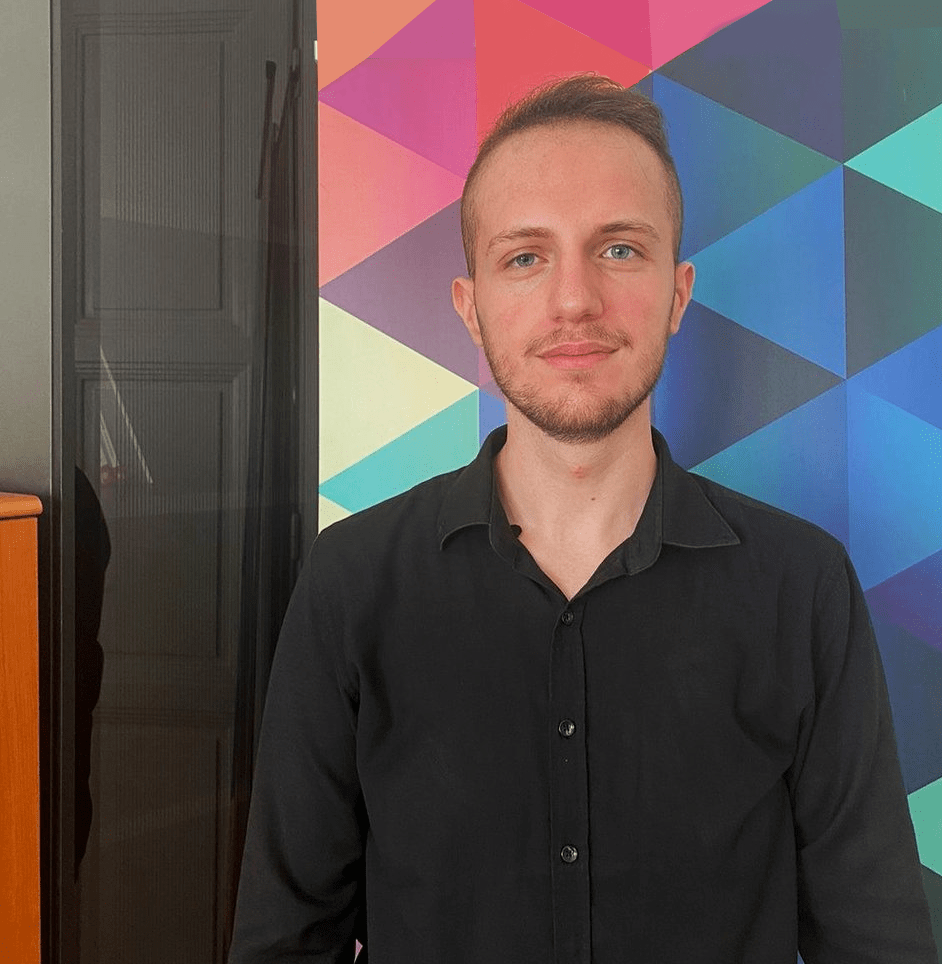
I experienced this dynamic while attending the Belgrade Security Conference as part of its Young Leaders Programme, which brings together young professionals from the Western Balkans as future decision-makers and opinion-formers. Coming from Albania, my participation through the IIP’s partnership with the conference reshaped how I experienced the Western Balkans as a region. The formal sessions offered rigorous debate on security and regional cooperation. But it was Belgrade itself - the shared movement through the city, the informal conversations, the unplanned moments of humor and reflection—that fostered a sense of regional belonging, which I had never felt before.
In those moments, the city became a participant in the dialogue. Its architecture, public spaces, and everyday rhythms carried visible traces of history and memory. Discussions about conflict and reconciliation felt less abstract when grounded in the physical environment around us. The experience revealed something policy papers cannot fully capture: understanding deepens when analysis is paired with presence.
Tourism is rarely discussed alongside peacebuilding, and for understandable reasons. Travel alone does not resolve conflict, nor does exposure guarantee empathy. Yet presence matters. Seeing how people live, what they remember, and how they navigate unresolved histories challenges easy assumptions. The legacies of conflict are not confined to institutions; they are etched into buildings, neighborhoods, and daily routines. Encountering these realities firsthand makes it harder to reduce societies to headlines or stereotypes.
This human dimension helps explain why mobility can support peace efforts when approached responsibly. Face-to-face encounters replace abstraction with familiarity. People who might otherwise remain distant “others” become individuals with stories, frustrations, and shared concerns. Over time, such encounters can subtly reshape perspectives, influencing how cooperation, dialogue, and policymaking unfold.
The IIP treats this relationship between travel and peace not as a by-product of its work, but as an area requiring careful examination. Through its contribution to the Paths to Peace project, the institute has explored how tourism can either ease or intensify tensions in conflict-affected and post-conflict societies. One of the project’s outcomes - a detailed Roadmap, which will be published very soon - translates lived experience and research into concrete policy guidance on how tourism can support reconciliation, intercultural understanding, and social cohesion.
Here, the Institute’s peacebuilding expertise is essential. Tourism, if unmanaged, can deepen inequalities, inflame grievances, or commodify painful histories. The Roadmap therefore emphasizes ethical engagement, youth participation, and conflict-sensitive approaches that prioritise long-term stability over short-term economic gain. It reflects a recognition that mobility, like peacebuilding itself, must be approached with care, intention, and responsibility.
Taken together, these experiences and initiatives point to a simple conclusion: peace is not built only through agreements and institutions, but through encounters. It emerges in conference halls and city streets alike, in structured debates and shared journeys. By connecting mobility with dialogue, and research with lived experience, the International Institute for Peace continues to explore how movement - when guided by empathy and responsibility - can help bridge divides and support a more connected and peaceful world.
Gjergj Loka, Project Assistant at the IIP